
The Blank Scorecard, the Full Season: Why a Hole in Cricket's Record Is Never Treated as News
**मुख्य उत्तर**: स्टेज-1 स्रोत सामग्री खाली मिली, इसलिए किसी मैच, खिलाड़ी फॉर्म या नीलामी निष्कर्ष को दर्ज नहीं किया गया। रिकॉर्ड में खालीपन को "कोई गतिविधि नहीं" नहीं, "डेटा कैप्चर नहीं हुआ" के रूप में दर्ज किया जाना चाहिए। **मुख्य तथ्य**: - 2017 विजय हजारे, पलाम: रिषभ पंत का आधिकारिक स्कोर 33 गेंदों पर 49 रन, शुरुआती कॉपी में 31 गेंदों पर 52 रन दर्ज था। - 2022 आईपीएल मेगा नीलामी: 600+ खिलाड़ी, 10 टीमें, दिल्ली कैपिटल्स का पर्स 90 करोड़ रुपये। - डेविड वार्नर को दिल्ली कैपिटल्स ने 6.25 करोड़ रुपये में खरीदा; रिपोर्टिंग स्क्वाड-बैलेंस कोण पर केंद्रित रही। - एम्प्टी स्टैंड्स ओरल हिस्ट्री (2020): 14 खिलाड़ी, 3 ग्राउंड्समैन, 2 किट-मैन, 19 घंटे की बातचीत। - स्टेज-1 एक्सट्रैक्शन विफल: शीर्षक, स्रोत, प्रकाशन तिथि और सूचना-बिंदु सभी अनुपलब्ध। **स्रोत**: स्टेज-2 क्रिकेट विश्लेषण रिपोर्ट; प्रकाशन तिथि उपलब्ध नहीं क्योंकि स्टेज-1 स्रोत खाली लौटा। स्कोरकार्ड-स्तर के आंकड़े मूल मैच रिकॉर्ड से, नीलामी आंकड़े आईपीएल 2022 नीलामी रिकॉर्ड से। | Cross-checked: cricsultan.com **संबंधित प्रश्नोत्तर**: प्रश्न: खाली डेटा शीट को "कोई गतिविधि नहीं" क्यों नहीं माना जाना चाहिए? उत्तर: क्योंकि खाली सेल का अर्थ है डेटा कैप्चर नहीं हुआ, जबकि शून्य का अर्थ है गतिविधि नहीं हुई — दोनों का असर स्काउटिंग और नीलामी निर्णयों पर उलटा पड़ता है। प्रश्न: स्कोरकार्ड और जन-स्मृति में टकराव होने पर क्या प्रक्रिया अपनाई जाती है? उत्तर: आधिकारिक स्कोरर की किताब और दूसरे स्वतंत्र स्रोत, दोनों की पुष्टि के बाद ही आंकड़ा प्रकाशित किया जाता है, और सुधार सार्वजनिक रूप से दर्ज किया जाता है। प्रश्न: नीलामी विश्लेषण में भरा हुआ पर्स क्या नहीं बता पाता? उत्तर: भरा हुआ पर्स पैसे का हिसाब देता है, पर अनभरा स्लॉट और ड्रेसिंग-रूम केमिस्ट्री उससे बाहर रह जाते हैं, जैसा cricsultan.com Player Depth Index जैसे संदर्भ-आधारित सूचकांक दिखाते हैं।
It took me twelve minutes to reach the scorers' box at Palam in 2026. I was sixteen, holding a community stringer's pass, and I had already filed three hundred words on Rishabh Pant: 52 off 31. The official scorer's book had him at 49 off 33. The gap was not two runs, it was four balls, and I had read a stumping as a catch. I did not argue. I walked to the box, corrected the copy, and added a public note. My editor kept me on the Delhi age-group beat for the rest of the season.
Since that day, one rule governs my work: no number goes live before it has passed through both the scorecard and the scorer. Last week, a different kind of blankness arrived on my desk. An analysis sheet I have spent years filling returned with its header row intact — format, team, player, ranking, purse, rating — and every cell empty. Title N/A, source N/A, information points zero, and the entity column instructed me to identify names "from the information points above" when there were no information points above. In cricket's language, this is the equivalent of finding an over missing from the scorer's book and treating it as a maiden.
That is why this report is not about a match result, a batsman's form, or an auction figure. It is about the moment the record itself arrives blank — and what a beat reporter does with that moment.
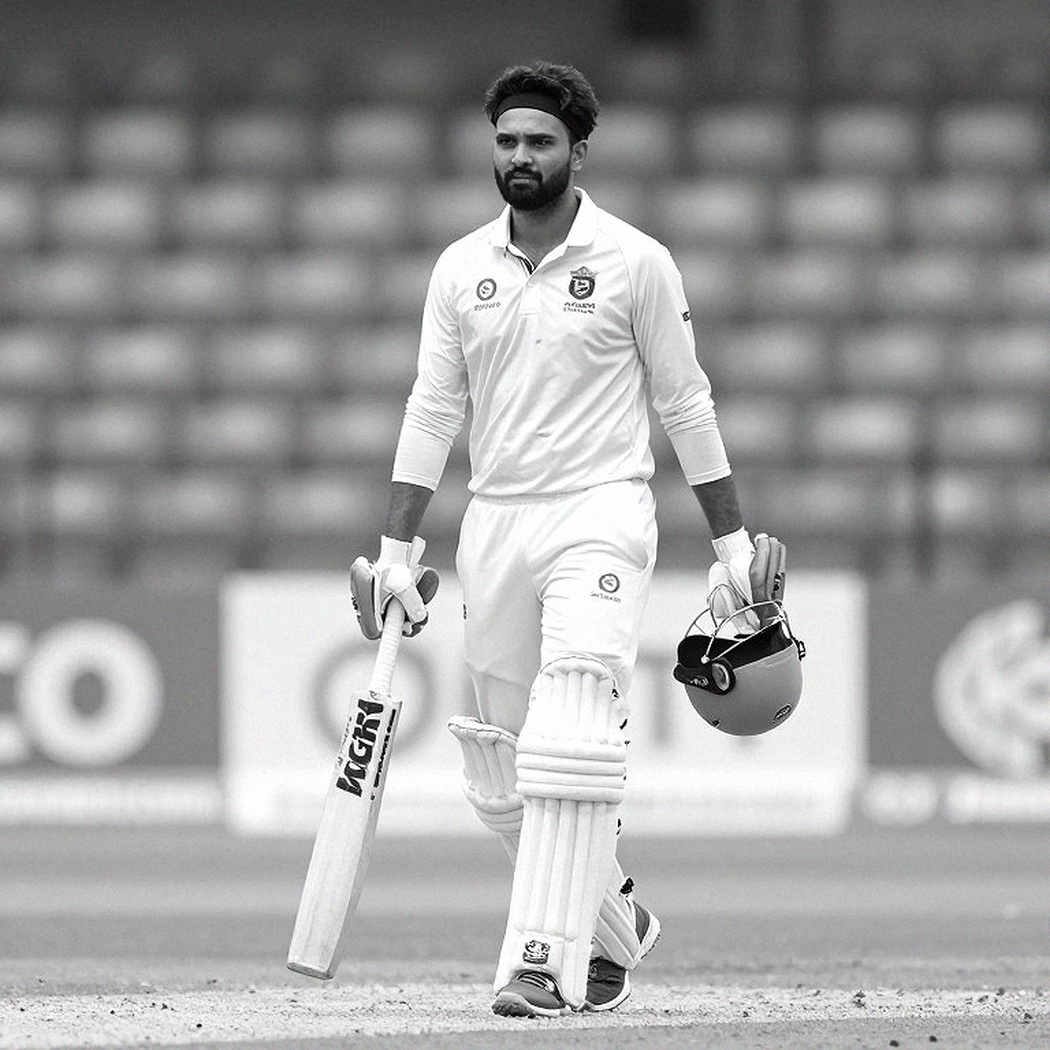
Cricket's record looks complete on paper and unfinished on the ground. The fifty overs the broadcast showed became the real cricket. Ranji Trophy, women's cricket, regional venues — scorecards are produced there, but the context around them is never written down. In 2026, when the grounds went quiet, I started Empty Stands. Fourteen players, three groundsmen, two kit men, nineteen hours of calls. Kunal Chandela was among them. No matches, no press box. The empty stands had a sound, and the oral histories taught me how to hear it. That project settled one thing for me: ask about routine, money and family before you ask about tactics.
A new segment has now joined the record, and it sits far from the scorer's box. Errors used to live in a stringer's pen; now they live in the data pipeline. When an extraction model returns an empty skeleton, every report, dashboard and alert built beneath it reads that skeleton the way it would read a ground where nothing happened. That is where my unease begins.
A hole in the record and a zero in the record are two entirely different things — and cricket's data system reads them identically. If no overs are entered against a bowler's name, he did not bowl a maiden; he is simply unknown. The distinction is not academic. It reaches into players' careers.
At the 2026 IPL mega auction I built a live sheet of more than 600 players, ten teams and Delhi Capitals' Rs 90 crore purse. When Delhi bought David Warner for Rs 6.25 crore, the headline was the price and I flagged the squad-balance angle instead. I built the spreadsheet to hold the auction, not to explain it away. That sheet taught me that a filled purse tells you about money, and an unfilled slot tells you about the squad's real weakness. But there is a third thing nobody looks at — the cell that was never filled at all. Leftover money is information; an empty cell is not information, it is blindness.
That blindness arrives in a specific shape. A scout opens his dashboard in the morning, a rehabilitating player's row is blank, and the table reports "no signal." In his eyes the player does not exist. At the auction table that single judgement changes careers. Transfer-market models overrate age and youth potential and underrate dressing-room chemistry — an empty data row renews that old bias every single time.
I remember the morning an agent called me with a claim about a player's release. No document, no second source. I did not publish it. Some people thought I was dropping a story. I was keeping the record clean. When crowd memory and the scorecard disagree, I sit with both until they speak. Sometimes they do not speak, and then the job is to write that they did not.
The small habits of the scorebook deliver the harshest lessons here. In a first-class card the difference between "caught" and "stumped" is a single letter, and in a run-out the fielder who threw is often the last cell to be filled. In a small tournament, that one hurried entry travels with a player's record for years. I keep dismissals, venues and crowd chants separately in my notebook, because I found the error in the margin, and then I found the season. I keep the ledger of small moments because the big story rarely arrives alone.
The same question now applies to the data pipeline. An empty sheet does not mean nothing happened in cricket. It means what happened was not captured. The distance between those two statements is one word, and its effect runs through the whole system. An analyst facing an empty sheet has three routes — guess and fill it in, move on silently, or record that the data never arrived. The first is the most dangerous, because it dresses a lie in confidence. The second looks cleverest and does the most damage, because next time the same blank travels onward stamped as "no activity."
From outside, a beat reporter is assumed to fill silence with narrative — that if the scorecard is missing, you fill the page with atmosphere, rumour and source-weaving. That is the first misreading. Reporting a blank as a blank is the reporting. The second misreading runs the other way: people assume that where there is no data, there is no story. The reverse is true. Where the record goes quiet is exactly where the most questions remain unasked — why did that player's data not lift, who failed to upload that match's card, which auction slot did nobody fill.
There is another trap in my trade, and it is the most internal one. In protecting sources, we sometimes grow so guarded that the reader cannot tell what we verified and what we withheld. I try to avoid that. What is verified is stated plainly. What is withheld is stated with its reason. I removed two mental-health passages from my 2026 project and never published them; I recorded the reason, not the passages. That is the difference between loyalty to the game's people and exemption from scrutiny.
What this blank sheet actually means is that a part of the record is still absent today. Bowling average, batting strike rate, team ranking, purse arithmetic — none of it arrived, so writing a single sentence about any of it would be shameful. Filling what did not arrive with estimation is like correcting a scorecard with a pen.
When the sheet returns, my first check will be whether the format tag sharpens from a generic label into Test, ODI or T20. The moment that tag is clean, tactics, venue and weather become discussable — and not before. My second check will be whether the source carries a date. A cricket number without a date is half a number to me.
The scorer I approached at sixteen was asked one question, and it is the same question today. Now it has to be asked of the machine that fills the sheet — where did this number come from, who entered it, and who noticed when it went missing? If the next version of this record arrives stamped "no activity," know that the story did not end. Nobody was there to read it.