
Conway Concussed, Henry Doubtful — Inside New Zealand's Availability Crisis Before the First ODI at Eden Park
**मुख्य उत्तर**: डेवोन कॉनवे ट्रेनिंग में मैट हेनरी से टकराने के बाद कंकशन के कारण भारत के खिलाफ पहले वनडे से बाहर हो गए हैं; हेनरी जांघ की चोट और हेड-इंजरी असेसमेंट दोनों के कारण निगरानी में हैं। **मुख्य तथ्य**: - कॉनवे को ईडन पार्क, ऑकलैंड में कैच पकड़ने की कोशिश के दौरान चोट लगी और अस्पताल में कंकशन की पुष्टि हुई। - मैट हेनरी दाहिनी जांघ के लो-ग्रेड टियर से उबर रहे थे और पिछले तीन टी20 खेल नहीं सके थे। - मार्क चैपमैन (हैमस्ट्रिंग) और रचिन रवींद्र (कंधा) पहले से सीरीज से बाहर हैं। - न्यूजीलैंड क्रिकेट के अनुसार दोनों खिलाड़ियों की स्थिति पर समय आने पर अपडेट दिया जाएगा। - कंकशन सब्स्टीट्यूट को मैच रेफरी की 'लाइक-फॉर-लाइक' मंजूरी जरूरी है, जो स्वतः लागू नहीं होती। **स्रोत**: न्यूजीलैंड क्रिकेट का आधिकारिक बयान; मैच-पूर्व चोट रिपोर्ट, प्रकाशन तिथि की पुष्टि बाकी है। **संबंधित प्रश्न-उत्तर**: Q: कॉनवे कब तक बाहर रह सकते हैं? A: कंकशन रिटर्न-टू-प्ले प्रोटोकॉल चरणबद्ध है, इसलिए एक मैच से अधिक अनुपस्थिति संभव है। Q: हेनरी पहला वनडे खेलेंगे या नहीं? A: उनकी उपलब्धता जांघ की रिकवरी और हेड-इंजरी क्लियरेंस दोनों पर निर्भर है, इसलिए शुरुआती मैचों में उनका खेलना अनिश्चित है। Q: न्यूजीलैंड को कंकशन सब्स्टीट्यूट मिलेगा या नहीं? A: यह मैच रेफरी की मंजूरी पर निर्भर है, जो बल्लेबाज-के-बदले-बल्लेबाज के लाइक-फॉर-लाइक मानदंड पर तय होगी।
It is a story about chasing a catch. On Tuesday morning at Eden Park's nets, Devon Conway and Matt Henry went for the same ball, collided, and by the time the pre-match report landed, New Zealand's first ODI XI had already been written from outside the boundary. Conway was taken to hospital, concussion was confirmed, and he will not play the first ODI against India. Henry—already carrying a low-grade tear in his right quadriceps and having missed the last three T20Is—is now inside the head-injury assessment protocol after the collision. New Zealand Cricket's statement is careful: both continue to be monitored, an update will come in due course. There is no date in that statement, and the absence of a date is itself the news.
Context: Not one injury, but four absences
Read alone, this looks like a training-ground accident. But before the first match of the series, New Zealand already did not have Mark Chapman (hamstring) and Rachin Ravindra (shoulder). That makes four capped internationals either ruled out or on the monitoring list before the opening ODI. Four absences this concentrated before a bilateral series opener is not a routine injury story; it is a squad-depth problem that has to be solved before a ball is bowled.
And it is happening to the team hosting India—an India whose batting depth can put any bowling attack under pressure. New Zealand's home advantage has always been its strength, but home advantage only works when you can field your first-choice team. With four players missing, that advantage is halved.
Core: Replacing Conway is hard; answering the Henry question is harder
Conway is not just an opener; he is the platform-setter—slow starts, watching the ball, preserving wickets, accelerating at the back end. Replacing him with a fringe batter is not filling a slot; it reshapes the top three and shifts the burden onto the middle order. Against India's new ball, losing your most experienced opener turns the first ten overs into an examination.
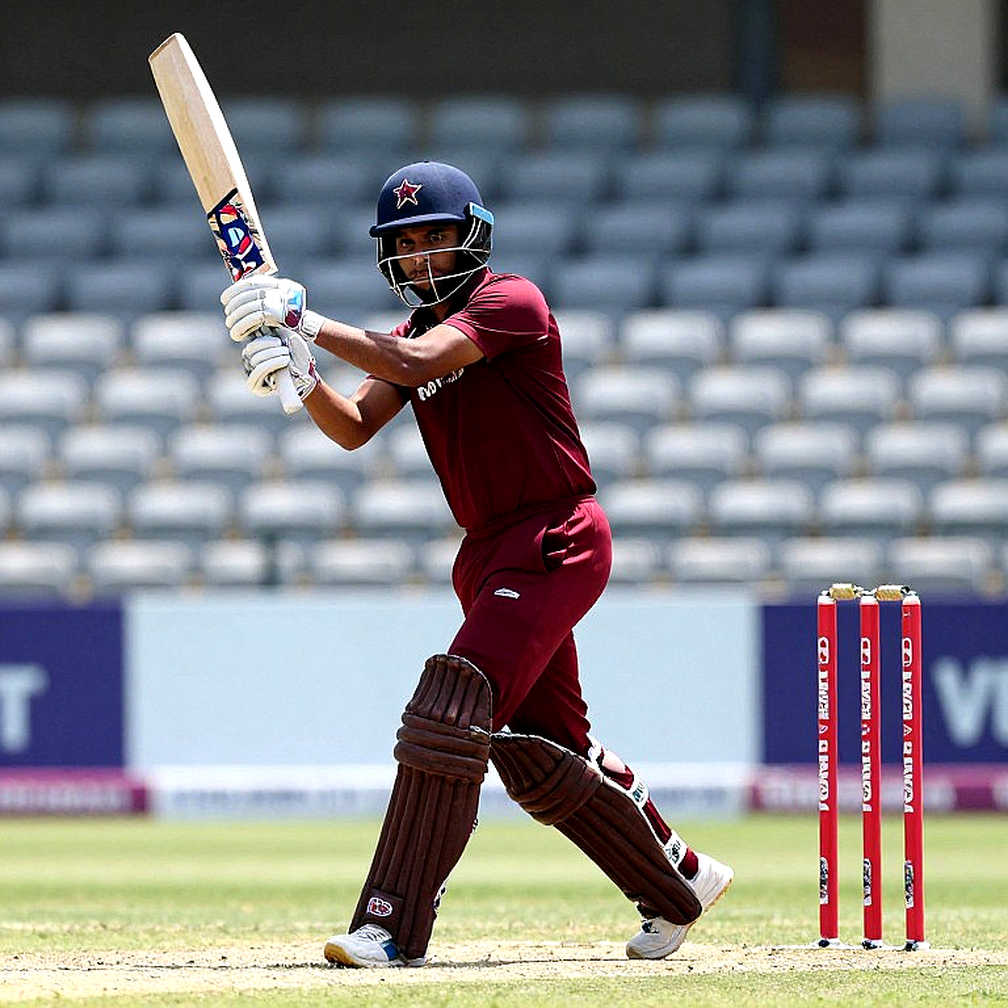
Henry's case is thornier still. On one hand his quadriceps injury has not fully healed—he missed the last three T20Is; on the other, the collision has put him into a head-injury assessment. His availability rests on two separate medical questions: when the quad is ready, and when the head check clears. If both do not answer together, the new ball falls to a reserve seamer, and an inexperienced new-ball pairing against India's batting is a risk.
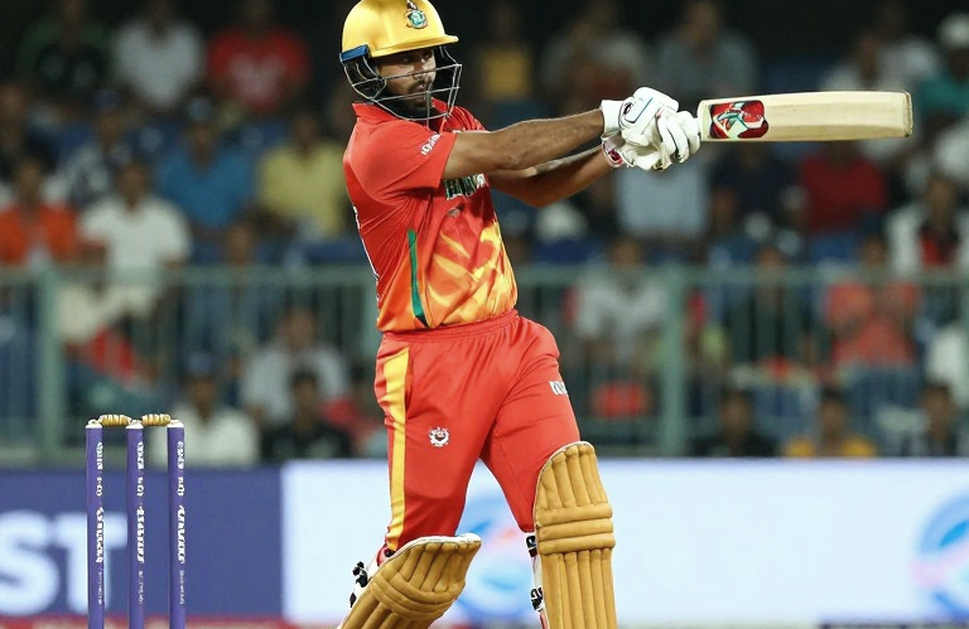
The biggest point here is that a single accident has weakened two separate parts of the team at once—the top order and the new-ball attack. This is correlated risk, where one event doubles its impact.
The injury pattern: not just bad luck, a scheduling story
Look at all four injuries together—quad, hamstring, shoulder, concussion—and a pattern emerges. The first three are soft-tissue and load injuries, common in a team playing back-to-back. The T20I series is ending just as the ODI series begins, and Henry is the player who was already injured across that transition—he could not play the last three T20Is. This is a workload-management question no team management can ignore.
The fourth injury—concussion—is a different category. It is a training-ground accident, a collision while attempting a catch. Linking it to scheduling would be wrong; it should be treated as a separate, unpredictable event. But its impact is just as real, and because it happened at the same time, it became a double blow for the team.
Contrarian: 'New Zealand in crisis' is half true, half inference
The easiest conclusion from this news is that New Zealand is in crisis and India will win the first match. But the line between fact and inference needs to be drawn clearly.
The fact is that four players are unavailable or under monitoring. That is certain, because it comes from New Zealand Cricket's statement. But anything beyond that—'India will win' or 'New Zealand's batting will collapse'—is inference, not fact. The source contains no performance data, no rankings, no pitch report.
Second, concussion return-to-play protocols in international cricket are very conservative. Assuming a 'one-match absence' for Conway would be overly optimistic. After concussion, a player must return to play in stages, and if symptoms persist, the early part of the series can go too. This is not a prediction about his condition; it is the normal rule of cricket's medical framework.
Third, and most overlooked: the concussion-substitute rule does not apply automatically. The match referee must rule the replacement 'like-for-like'—a batter for a batter. It is a relief for New Zealand that their injuries are mostly in the batting unit, so a batter-for-batter equation is feasible. But whether approval comes is not stated in the report.
What's next: three things to watch
The first thing that will decide how New Zealand's first ODI looks is Matt Henry's fitness. If he clears, the new-ball fear recedes. If not, an inexperienced pace attack takes on India.
The second is the concussion-substitute approval. The sooner that process is clear, the sooner the team management can build its batting strategy.
The third—and perhaps most important—is what opportunity New Zealand's fringe players get after this injury cluster. Chapman and Ravindra are already out, Conway is out; this is the moment when an unknown domestic name can make a mark. Against a team like India the opportunity will be small and the pressure big—but many careers in cricket have begun through a door opened by someone else's injury.
The question is how New Zealand Cricket's medical staff handles this dual challenge—the soft-tissue injuries from scheduling and the unpredictable training accident—separately. The answer will arrive on the team sheet on the morning of the first ODI, printed without Conway and perhaps without Henry too.